24/7 Emergency —(832) 343-9726
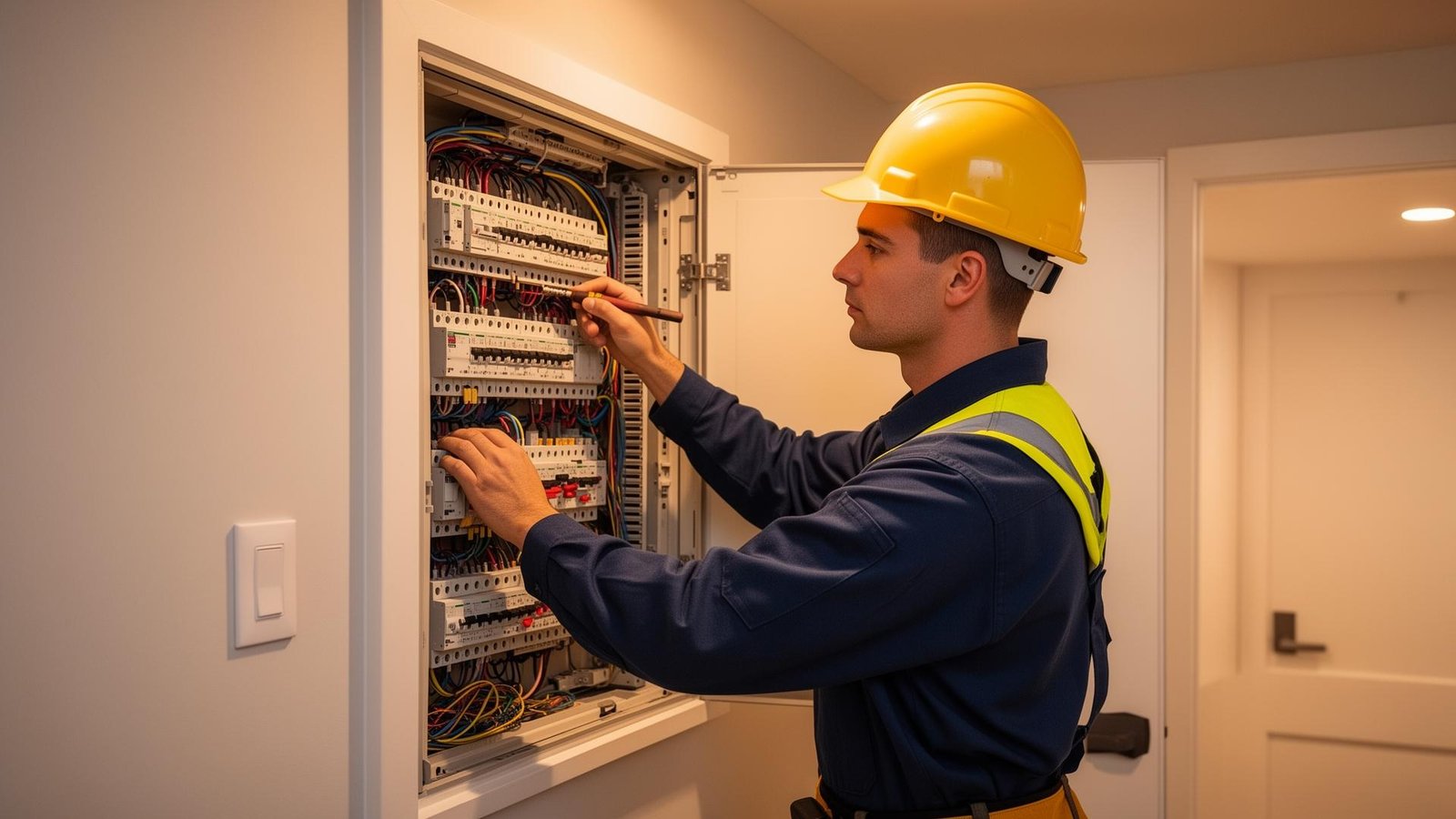
    Electrician inspecting a home electrical panel
    Home Safety Tips

    Is Your Home Safe?

    Straight talk from a Houston Master Electrician on what to watch for, and what to take care of, to keep your family and your home safe.

    Panel Replacement

    When Should You Replace Your Breaker Box?

    Every breaker box has a lifespan. The older it gets, the higher the risk. Based on the age and condition of your panel, here's how we decide what it needs to keep your family and your property safe.

    Low riskHigh risk
    1. 1–5 years
      Good Condition

      Usually doesn't need immediate attention, unless we find poor installation work by a previous contractor.

    2. 6–15 years
      Needs Maintenance
      • Re-tighten every terminal
      • Correct code violations
      • Apply anti-oxidant on aluminum wires
      • Clean up the panel
    3. 16–25 years
      Needs Refurbishment

      Everything in panel maintenance, plus replacing all the breakers. After about 15 years, breakers can start to malfunction.

    4. 26+ years
      Needs Replacement

      Aging panels may not meet today's safety standards or handle today's electrical demands, which raises the risk of fire and shock.

    5. Obsolete panels
      Replace ASAP

      FPE, Zinsco, Challenger and Bryant panels, split-bus panels, and panels without a main breaker.

    Replace your breaker box as soon as possible if you have

    • A Federal Pacific (FPE), Zinsco, Challenger or Bryant panel: these brands are obsolete, parts are hard to find, and some are known for breakers that may not trip when they should
    • A split-bus panel: an older design with no single main breaker, where it can take up to six switches to shut off power to the house
    • A panel without a main breaker: there's no quick way to shut off all the power in an emergency
    • A panel that's more than 25 years old: it may not meet today's safety standards or keep up with today's electrical demands

    Other signs it's time for a new panel

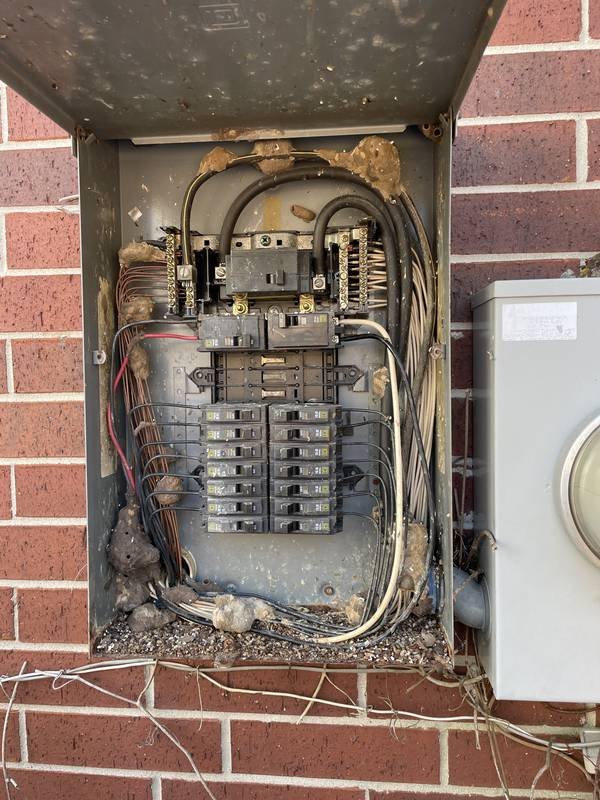
    • Rust, water, insects or nests inside the panel
    • Breakers that feel warm, buzz, trip often or won't reset
    • A burning smell or scorch marks near the panel
    • You're adding an EV charger, generator, pool or new A/C and the panel is full or too small
    • Your home inspector or insurance company flagged the panel

    Not sure how old your panel is or what brand it is? The brand and date are usually on the label inside the panel door, and you don't need to remove any covers to see it. Snap a photo and email it to us, or schedule an on-site estimate.
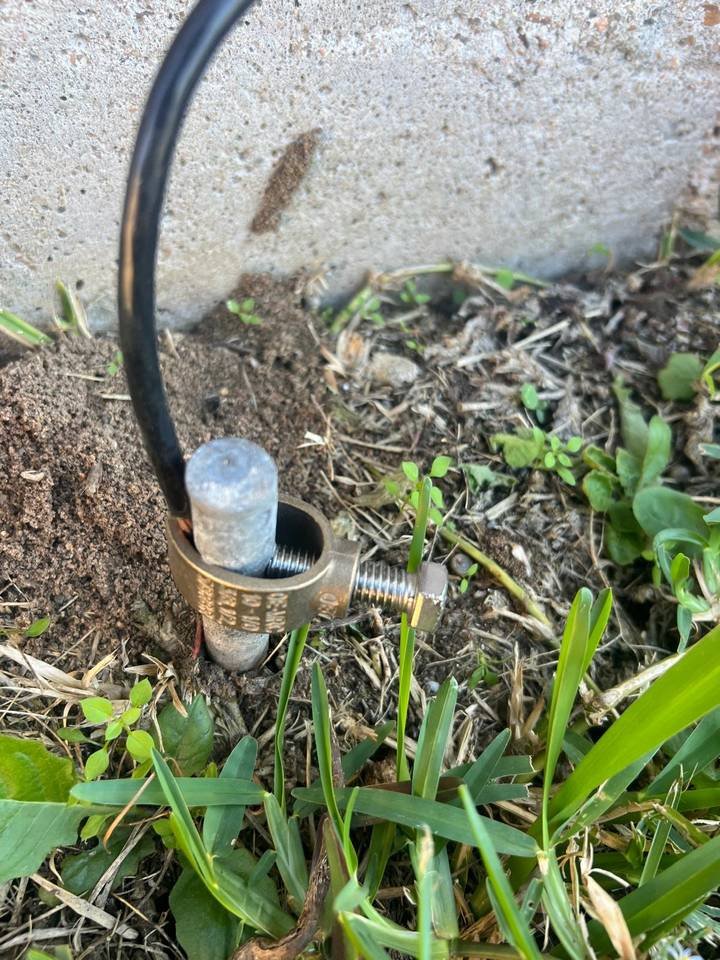
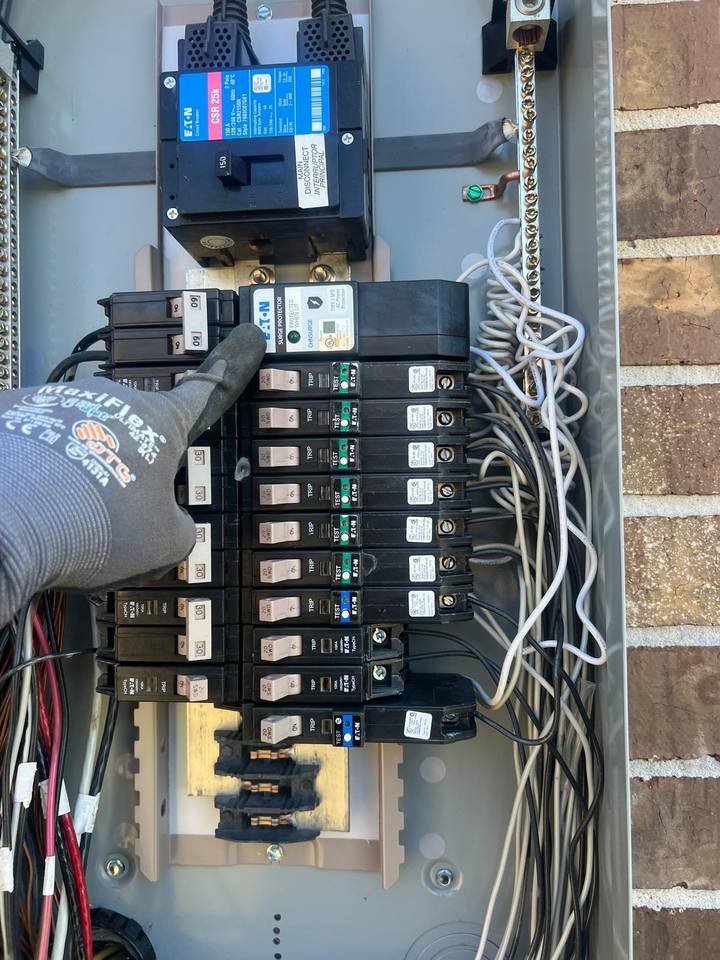
    Ground rod with a new bronze ground clamp installed by Mr. Champion Electric
    Grounding

    Why an Upgraded Grounding System Matters

    Your grounding system is the safety path that gives stray electricity somewhere safe to go. When there's a fault, a lightning strike or a power surge, a good ground sends that energy into the earth instead of through your appliances, or through you.

    It's buried and out of sight, so it's easy to forget about. Many older Houston homes have grounding that has corroded, been disconnected during a remodel, or was never up to today's standards.

    What a good grounding system does for you

    • Helps breakers trip fast when something goes wrong
    • Lowers the risk of shock from metal appliances, fixtures and pipes
    • Gives surge protectors a path to work (a surge protector is only as good as its ground)
    • Helps protect your electronics during storms

    Warning signs your grounding needs attention

    • Two-prong outlets, or three-prong outlets added without a ground wire
    • A rusted, loose or missing ground rod clamp outside your home
    • A metal water line that was replaced with plastic (PEX) pipe, since the old pipe may have been part of your ground
    • A tingle when touching an appliance, faucet or fixture
    • Your home is older and the grounding has never been checked

    We inspect your ground rods, clamps and the bonding to your water and gas piping, test the system, and bring it up to current code if it falls short.

    Eaton whole-home surge protector installed in a residential panel
    Surge Protection

    The Importance of a Whole-Home Surge Protector

    Power surges come from lightning, from the utility switching the grid, and even from your own A/C and appliances turning on and off. Small surges happen every day and slowly wear out electronics. A big one can destroy them in a second.

    Today's homes are full of electronics: A/C control boards, refrigerators, washers, TVs, smart thermostats and EV chargers. Replacing just one of them usually costs more than protecting all of them.

    Why power strips aren't enough

    • A plug-in surge strip only protects what's plugged into it
    • It can't protect hardwired equipment like your A/C, water heater, oven or garage door opener
    • A whole-home surge protector is installed at your panel and stops surges where they enter the house
    • The best protection is layered: whole-home protection at the panel plus quality surge strips for sensitive electronics

    You should consider one if

    • You've lost electronics or an A/C board after a storm
    • Your home has a lot of expensive electronics or smart devices
    • You're adding a generator, EV charger or new A/C system
    • Your existing surge protector's indicator light is off or red (they wear out over time)

    Newer editions of the National Electrical Code require surge protection whenever a home's electrical service is installed or replaced, which shows how important it has become. A surge protector also needs a solid grounding system to do its job, so we check both.

    Old outdoor panel with rust, debris and insect nests before replacement
    Before
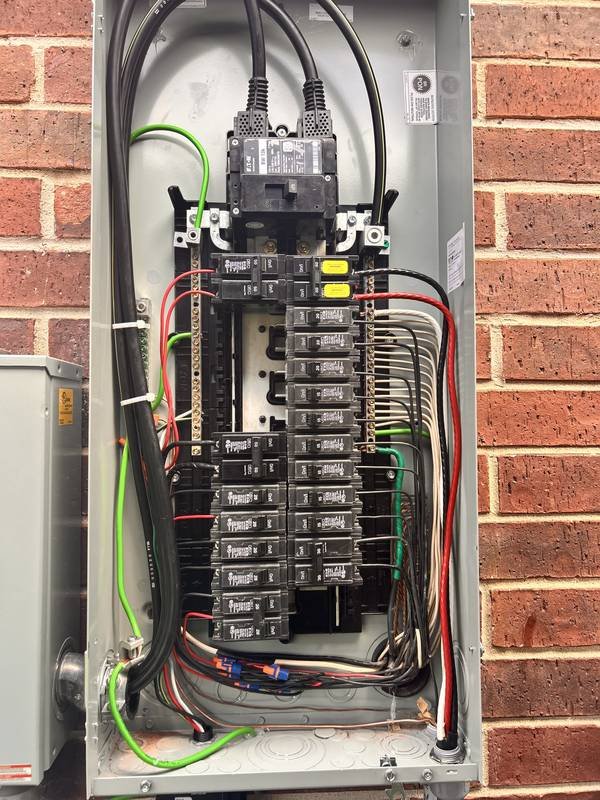
    Clean new Eaton panel with neatly organized wiring after replacement
    After
    Panel Maintenance

    Why Your Electrical Panel Needs Maintenance Once a Year

    Your electrical panel is the heart of your home's electrical system. Every circuit in your house runs through it, and like anything that works 24/7, it needs attention.

    Over time, connections loosen as wires heat up and cool down. Houston's humidity can cause rust and corrosion. A loose or corroded connection creates heat, and heat inside a panel is a common cause of electrical fires.

    What a yearly panel check looks for

    • Loose connections, tightened to the manufacturer's specifications
    • Signs of overheating, scorching or melted insulation
    • Rust, corrosion or moisture inside the panel
    • Breakers that are worn out, the wrong size for the wire, or double-tapped
    • Signs of pests, water leaks or damage around the panel

    Call an electrician right away if you notice

    • Breakers that trip often
    • A panel cover or breaker that feels warm
    • Buzzing, crackling or a burning smell
    • Lights that flicker or dim
    • An older panel brand with known safety problems, such as Federal Pacific (Stab-Lok) or Zinsco

    For your safety, never remove the panel cover yourself. The parts behind it stay energized even when the breakers are off.

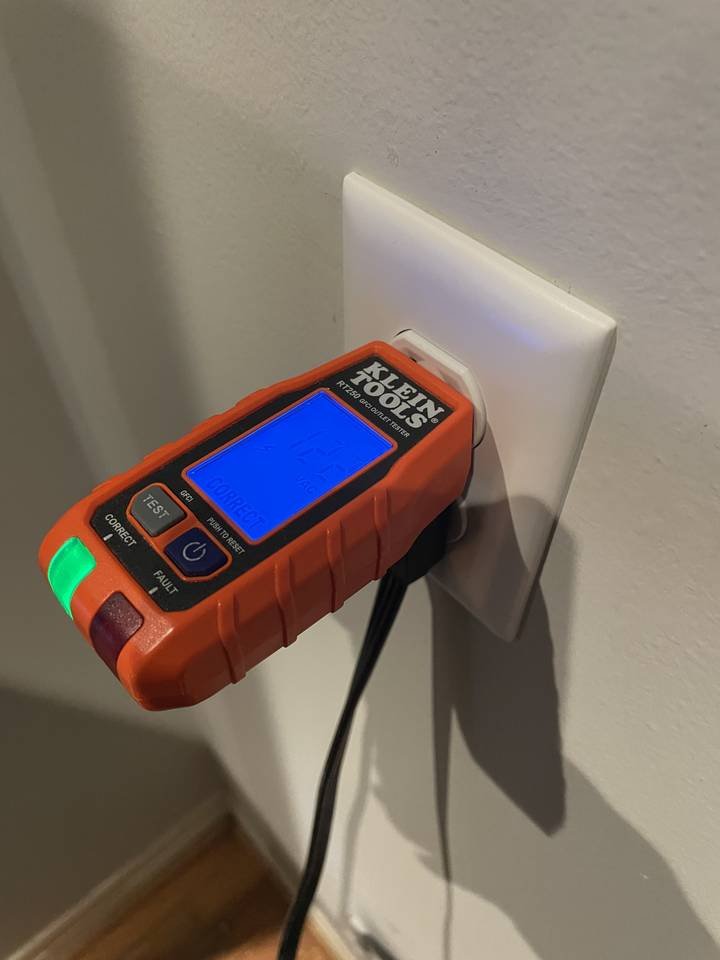
    GFCI outlet tester showing correct wiring on a home outlet
    Life Safety Devices

    Why Your Life Safety Devices Should Be Inspected Every Year

    Smoke alarms, carbon monoxide alarms, GFCI outlets and AFCI breakers sit quietly for years. The problem is that you usually find out one has failed at the moment you need it most.

    A yearly inspection makes sure every device works, is wired correctly, hasn't expired, and is installed everywhere it should be.

    The devices that protect your family

    • Smoke alarms: test monthly and replace the whole alarm every 10 years (check the date on the back)
    • Carbon monoxide alarms: important if you have gas appliances, a fireplace or an attached garage; replace them when the manufacturer says, usually every 7 to 10 years
    • GFCI outlets and breakers: protect you from shock in kitchens, bathrooms, garages, laundry rooms and outdoors; press TEST and RESET once a month
    • AFCI breakers: detect dangerous arcing in wiring that can start a fire behind your walls

    Signs it's time for an inspection

    • An alarm chirps, is yellowed, or you don't know how old it is
    • A GFCI outlet won't trip or won't reset
    • Your alarms aren't connected, so one going off doesn't set off the others
    • You have no CO alarm and you have gas appliances or an attached garage
    • You recently bought the home, remodeled or added rooms

    A device can pass its test button and still not be wired correctly. That's why a professional check once a year is worth it. If a smoke or CO alarm ever goes off, get everyone outside first, then call 911.

    Not sure if your home is safe?

    Schedule a home electrical safety inspection. We'll check your grounding, surge protection, panel and life safety devices, and give you an honest report.

    LET’S GET IT FIXED

    How can we
    help you?

    Tell us what’s happening at your home or business. Our team will contact you to discuss your electrical service needs.

    832-343-9726

    Licensed & Insured • Greater Houston

    mrchampionelectric@gmail.com

    Request a Quote

    Fields marked * are required.

    We’ll use your information to respond to your request. Privacy policy